CARE GUIDES
How Often to Sharpen Kitchen Knives
Learn how often to sharpen kitchen knives, spot dullness, and keep edges working longer.
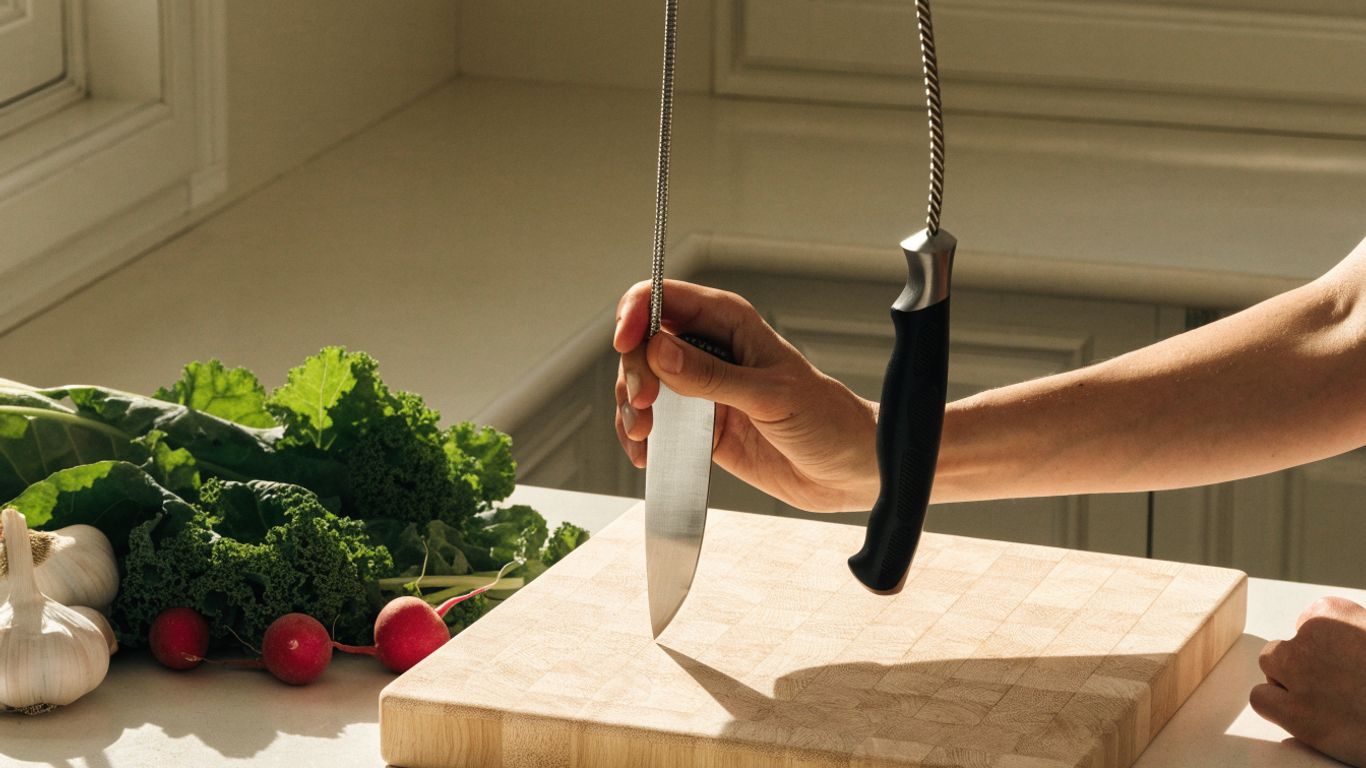
How often to sharpen kitchen knives based on use
For most home cooks, about every 6 to 12 months is a reasonable starting point for sharpening a frequently used kitchen knife. If you cook heavily or use the same knife for many tasks, you may need to sharpen it every 1 to 3 months; an occasional-use knife may go a year or longer. The useful rule is to sharpen when the edge no longer cuts cleanly, rather than following a calendar blindly.
Everyday home cooking: about every 6 to 12 months
If you prepare meals most days and use a knife for ordinary chopping and slicing, sharpening once or twice a year is a practical estimate. Your knife may need attention sooner if it sees heavy work or starts slipping through food. Check how it cuts from time to time, and let performance guide the schedule.
Frequent or heavy use: every 1 to 3 months
A knife used for several hours of prep each day can lose its keen edge faster than one used for a quick dinner now and then. Sharpening every 1 to 3 months is a useful starting range for frequent use, though the exact interval depends on the knife and how it is maintained. Don’t wait for the edge to become frustratingly dull if you rely on that knife every day.
Occasional use: once a year or less
A knife that comes out only for occasional meals may need sharpening once a year or less. Even then, check its cutting performance before assuming it is still sharp; time in a drawer does not tell you much about the edge. If it has been stored loose among other utensils, inspect it for damage as well as dullness.
Treat these intervals as starting points, not fixed rules
The ranges below are estimates, not deadlines. A knife used frequently but maintained well may stay useful longer than one used less often and knocked around in a drawer. Think of the schedule as a prompt to check your edge, then decide based on how it performs.
| Use pattern | Starting sharpening interval | What to watch for |
|---|---|---|
| Everyday home cooking | About 6 to 12 months | Slipping or crushing during ordinary prep |
| Frequent or heavy use | Every 1 to 3 months | A noticeable drop in clean, easy cuts |
| Occasional use | Once a year or less | Poor cutting despite limited use |
If your knife still slices cleanly, there may be no reason to sharpen it just because the suggested interval has arrived. If it struggles well before then, investigate your use and care habits rather than waiting for the calendar to catch up.
What affects how quickly a knife gets dull
A knife’s edge wears at different rates depending on what it cuts, what it cuts against, and how you care for it. Steel and edge shape matter too, so two knives used in the same kitchen may need different attention. These factors explain why a single sharpening schedule cannot fit every cook.
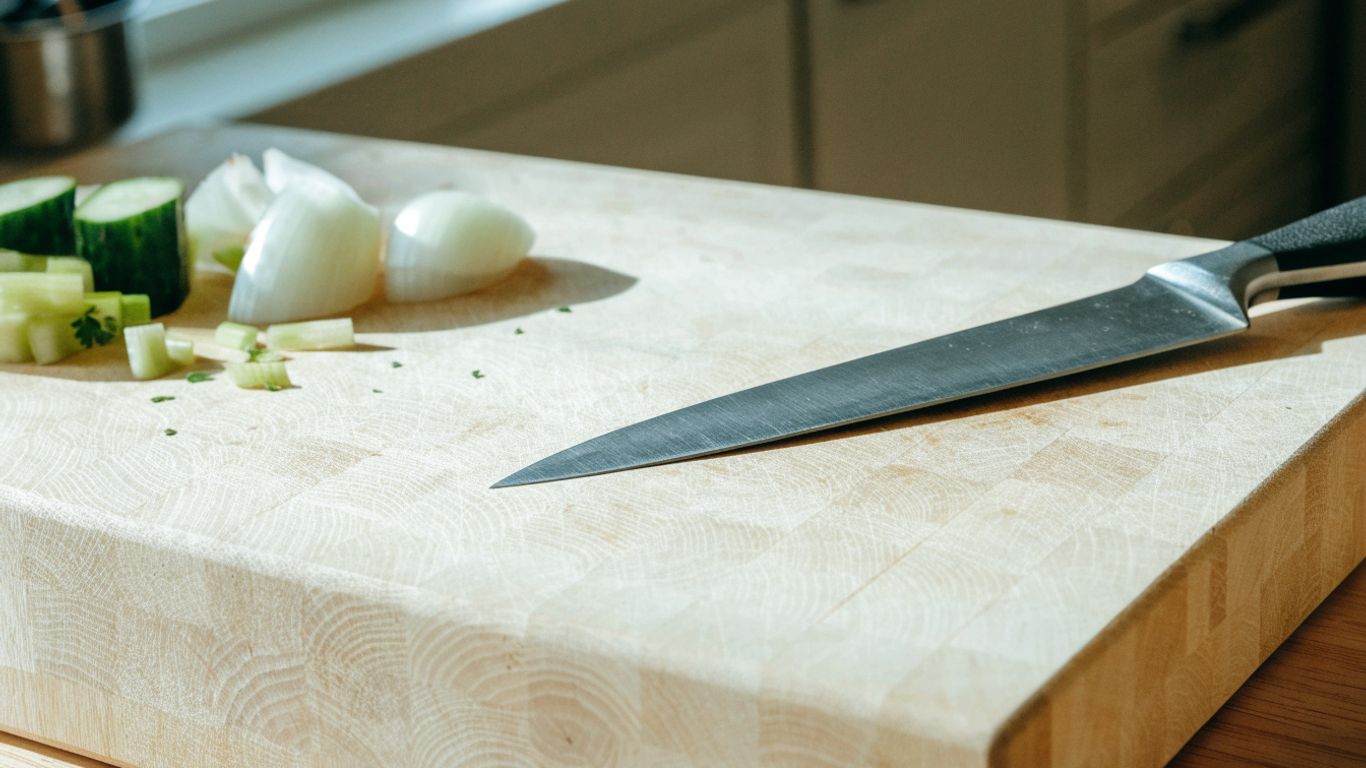
How often and what you cut
More cutting generally means more wear, but the ingredients matter too. Routine slicing of vegetables is different from repeatedly cutting through hard foods, bones, or frozen ingredients, which can damage or chip an edge. Use the right tool for the task, and avoid forcing a kitchen knife through something it is not meant to cut.
The cutting board surface and your cutting technique
The surface beneath your food affects how much impact the edge takes. Very hard surfaces can be rough on a knife, while a controlled motion that avoids striking the board hard can help reduce unnecessary wear. A stable setup also makes it easier to guide the blade without twisting or scraping its edge across the surface.
How you wash and store your knives
Knives can take avoidable knocks when they are tossed into a drawer or left loose with other utensils. Wash them by hand, dry them promptly, and store them so the blade does not bang against other tools. A safe knife storage setup can help protect both the edge and your hands.
The knife’s steel and edge geometry
Knives differ in steel hardness and edge geometry, and those differences affect how an edge wears and what kind of maintenance suits it. A thin edge may cut with little effort but can be more vulnerable to damage from rough handling. If you are unsure how your knife should be maintained, check its maker’s care guidance before choosing a sharpening method.
Honing and sharpening do different jobs
Honing and sharpening are related but not interchangeable. Honing can realign a slightly bent edge, while sharpening removes metal to form a new edge. Knowing which job your knife needs helps you avoid sharpening too often or expecting a honing tool to fix a worn blade.
Honing realigns a slightly bent edge
A knife edge can bend slightly during normal use, making the blade feel less keen even when it has not lost much material. Honing helps bring that edge back into alignment. It is maintenance between sharpening sessions, not a way to rebuild a badly worn or damaged edge.
Sharpening removes metal to create a new edge
Sharpening abrades steel to form a fresh cutting edge. Because it removes metal, it should be done when the knife’s performance calls for it, not as a daily ritual. The tool and method should suit the knife; a guide to honing and sharpening can help you tell which kind of maintenance is appropriate.
Use honing between sharpening sessions when it helps
If honing improves the way your knife cuts, it can help you go longer between sharpening sessions. Use a suitable honing tool gently and follow the knife maker’s advice, since not every knife or edge is suited to every rod. Keep an eye on the result rather than honing automatically if the blade already cuts well.
A few light passes may be enough when the edge only needs realignment. If honing does not make a clear difference, stop repeating it and consider whether the blade needs sharpening instead. For more on choosing a method, see how to sharpen a kitchen knife at home.
Don’t rely on honing to fix a truly dull blade
A genuinely dull knife has lost the sharp cutting edge that honing alone cannot restore. Repeated passes on a honing rod may not solve the problem, and can waste time when sharpening is what the blade needs. If the edge is chipped or badly damaged, take extra care and choose a repair method suitable for the knife.
Signs your knife needs sharpening
The clearest sign is a change in how your knife cuts: it starts to slip, crush, or require more effort. Simple kitchen tasks can reveal the change without special equipment. Pay attention to performance over time, since a blade can become dull gradually enough that you adjust your technique without noticing.
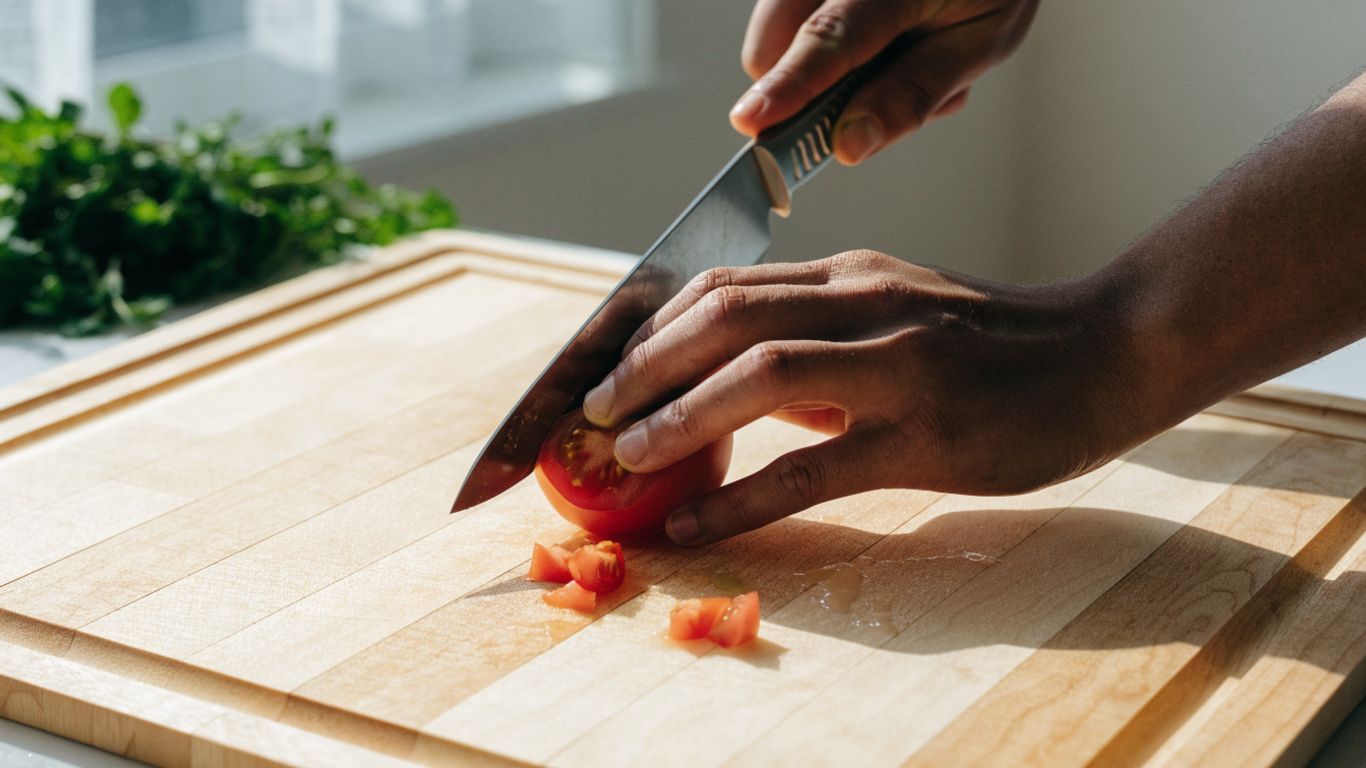
It slides or squashes instead of slicing cleanly
A sharp knife should start a cut without having to skid across the food. If the blade presses down and squashes a tomato or slides over an onion’s surface, its edge may be too dull for the task. Use a controlled motion and keep your fingers clear while checking how the knife behaves.
It struggles with tomato skin or soft herbs
Tomato skin is a useful everyday test because a dull edge may skate over it instead of making a clean entry. Soft herbs can also get bruised or crushed when the blade no longer slices cleanly. These clues are not a precise measurement, but they are easy to notice during normal prep.
It needs more pressure than it used to
If you find yourself pushing harder to make familiar cuts, take that as a reason to check the edge. Extra force can make the blade harder to control, especially when it slips unexpectedly. A sharp knife should do the work without you leaning into it.
A quick sharpness check can help confirm your impression
A careful test can help distinguish a dull edge from a change in your cutting technique. Try slicing a ripe tomato with light pressure, keeping your other hand safely away from the blade. If the knife struggles across several ordinary tasks, sharpening is more likely to help than simply honing again.
How sharpening frequency varies by knife type
The same kitchen can call for different sharpening schedules across different knives. How often you use a blade matters more than its name, but blade shape and intended work also affect its care. Use the estimates as a starting point and adjust when performance changes.
Chef’s knives often need the most regular attention
A chef’s knife often handles the broadest range of daily prep, so it may be the first blade in your kitchen to feel dull. If it is your main knife, check it regularly and sharpen when it stops cutting cleanly. A schedule of roughly 6 to 12 months may suit everyday home use, but heavy use can shorten that interval.
Paring knives may need sharpening less often
A paring knife used only for small jobs may stay sharp longer simply because it sees less work. Its small size does not make it immune to dulling, though, and poor storage can damage the edge even when it is used infrequently. Check its performance when you reach for it rather than assuming it is ready because it has been in a drawer.
Serrated knives usually need sharpening infrequently
Serrated blades often keep cutting effectively longer than a frequently used smooth-edge knife, so they may need sharpening less often. Their teeth also mean that sharpening usually calls for a method designed for serrations. If the blade tears bread or other foods instead of cutting cleanly, consult the maker’s care instructions before attempting to sharpen it.
Japanese knives may call for a different schedule and method
Japanese knives vary, so avoid applying one rule to every knife from that broad category. Steel, edge angle, and the maker’s instructions can all affect the right maintenance approach. Check the specific knife’s guidance before using a tool or technique that might not suit its edge.
How to make sharpening sessions less frequent
A few steady habits can help an edge last longer between sharpening sessions. The goal is not to avoid sharpening forever; it is to prevent needless wear and damage. A quick check after routine use can help you notice problems before the knife becomes difficult to control.
Choose a knife-friendly cutting surface
A very hard surface can wear or damage a knife edge faster than a more forgiving one. Choose a surface that stays stable while you cut, and avoid striking it heavily with the blade. A steady setup encourages a controlled motion and reduces the temptation to scrape or twist the edge.
Wash and dry knives by hand
Hand-washing helps avoid the knocks and harsh conditions that can come from mixing a knife with other dishes and utensils. Clean the blade carefully, then dry it instead of leaving it wet. This simple routine helps protect the edge and the rest of the knife from avoidable damage.
Store blades so they don’t knock against other tools
A blade can become damaged when it rattles against utensils in a drawer, even if you do not use it often. Use a storage method that keeps edges separated and secure. That small change may prevent chips and nicks that call for more than ordinary sharpening.
Follow a simple routine for checking and maintaining the edge
A brief check every few weeks can help you spot a decline before it becomes a nuisance. Keep the routine simple and respond to what you notice rather than sharpening automatically. For example, you can:
- Check whether the knife starts a tomato cut without sliding.
- Hone gently if the edge seems slightly out of alignment.
- Sharpen when ordinary cuts remain difficult after honing.
- Store the knife securely after washing and drying it.
This routine is meant to guide your decisions, not add another chore to every meal. If the knife cuts well, leave it alone; if it does not, choose the kind of maintenance that addresses the problem.
Frequently Asked Questions
How often should you sharpen kitchen knives?
For everyday home cooking, about every 6 to 12 months is a useful starting point. Heavy use may call for sharpening every 1 to 3 months, while an occasional-use knife may need it once a year or less.
Is honing the same as sharpening?
No. Honing can realign a slightly bent edge, while sharpening removes metal to create a new edge.
How can you tell if a knife is dull?
It may slide over tomato skin, crush soft ingredients, or require more pressure than it used to. A change across several ordinary cutting tasks is a good reason to check the edge.
Can you sharpen a knife too often?
Yes. Sharpening removes metal, so doing it when the blade is already cutting well can wear it down unnecessarily. Hone or leave the knife alone when sharpening is not needed.
Should you hone your knife before every use?
Not necessarily. Hone when it helps restore the edge’s alignment, and follow the knife maker’s guidance for the specific blade and honing tool.
Do serrated knives need sharpening?
They do, but often less frequently than smooth-edge knives. Serrations usually need a method suited to their teeth, so check the maker’s care instructions before sharpening.
Does the cutting surface affect how often you sharpen?
Yes. A very hard surface can wear or damage an edge faster, while a stable, more forgiving surface and controlled cutting can reduce unnecessary impact.
How this guide was put together
The Cutting Board Care Guide team writes and fact-checks every guide on Cutting Board Care Guide. Comparisons are based on maker specifications, published standards and food-safety guidance from sources such as the USDA, and each guide is reviewed and updated when specs or prices change. More about us.